Naturally, we have plant common names whose meanings or nuances have changed. Some are insulting or objected to by the people they refer to. People regularly suggest changing ones they don’t like. The American Public Garden Association (link) asked for input and in 2021 published a report on “Potentially Problematic Common Names in North American Public Gardens”. They found a long list of “potentially problematic” words, noting, that “… words may seem completely benign to one group, culture, or language while holding offensive and egregious connotations for another.” (p. 26 )
Showing posts with label common names. Show all posts
Sunday, August 9, 2026
Indigenous Knowledge and Problematic Common Names
Language steadily changes. Words are added because we have new things to describe. Meanings shift. I just read Moult’s Relation, a record of the Plymouth Colony, 1620. Relation in the title is “what Moult related” but it sounds really weird to me. In it, a rope trap to catch a deer was described as “as artificially made as by any roper in England”—the writer clearly meant "skillfully" so artificial's meaning has shifted.
Sunday, May 26, 2024
Our Natives are Weeds
"We have a marketing failure with natives," Doug Tallamy wrote in Nature's Best Hope. While I think the "grow natives" movement is helping correct that, the fact that many natives are called weeds does discourage loving them.
| fireweed, Chamerion |
Lots of our native plants are weeds. That is, they have weed in their common name. Fireweed (Chamerion), milkweed (Asclepias), jewelweed (Impatiens), Joe Pye weed (Eutrochium), and ironweed (Vernonia) to name a few.
Sunday, November 3, 2019
Plant Common Names--Rules and Customs
![]() |
| tomato, Solanum lycopersicum |
![]() |
| apple tree, Malus domestica |
Sunday, March 24, 2019
Common Names--Pick Your Favorite
Common names are so inconsistent! It seems like every plant I look up has two or three common names.
Common names are what we "normally" call a plant, for example when we are speaking with friends. So they are names that are familiar to speaker and listener. Since most of us spend most of our time speaking with people who live within a few miles of us, common names easily became local names, varying across the map.
![]() |
| Do you call this Louisiana sagewort or white sage or... (Artemisia ludoviciana) |
Sunday, November 13, 2016
Common Names--Too Many Shared Names
![]() |
| Calthus palustris Do you call it cowslip or (marsh) marigold? |
Common names don't obey either of those rules. I wrote previously about multiple common names for the same plant. (link) That is annoying, because sometimes you don't recognize that someone is talking about a plant you know only because they're using a different common name.
I think the same common name for different plant is even more unfortunate. In this day of using words on the internet to learn about things, shared common names lead to at best, time wasted working out which plant you want, and at worst, possible poisoning because one plant with that name is toxic and one isn't.
![]() |
| another cowslip Primula vulgaris |
![]() |
| another marigold, Tagetes sp. |
Sunday, September 25, 2016
Common Names--Too Many Choices
Since people have been using plants "forever" you'd think plants would have long ago gotten generally-agreed-upon common names. But that is not the case. The internet is revealing that across the U.S. we call the same plant by many different names (earlier post).
It is not the internet's fault, of course. We've been calling plants by different names all along, but now, instead of digging in my local plant identification book, I google the plant and come up with a series of different responses. For example Lithospermum incisum came up on the USDA plants list as narrowleaf stoneseed, at Lady Bird Johnson Wildflower Center as golden puccoon. and on swcoloradowildflowers.com as fringed gromwell.
![]() |
| narrowleaf stoneseed, golden puccoon, fringed gromwell, Lithospermum incisum |
Sunday, August 21, 2016
Common Names--What a Mess!
![]() |
| Saskatoon berries, or you might know them as... |
To entertain with the stories I love, I have to identify the plant. That is what names are for--communication. Why is it so difficult to have widely recognized plant names?
Monday, August 26, 2013
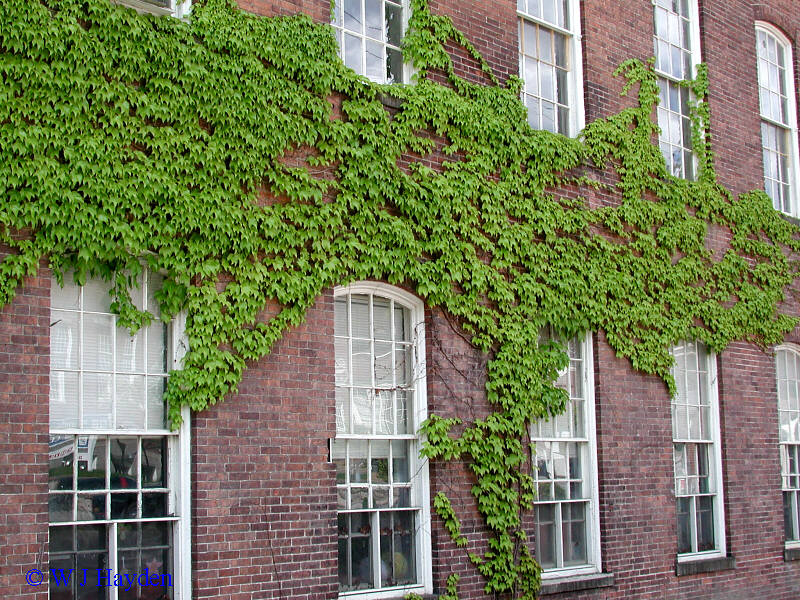
Plant Quiz: Where is Boston ivy, Egyptian cotton, Jerusalem artichokes and Russian sunflowers native?
Plant names are endlessly fascinating to me. Especially when I learn they don't tell me what I thought they did.
So today, a quiz:
I don't have the right pictures, so I send you to the web to see pictures of the plants.
Where are the following plants native?
Boston ivy, Parthanocissus tricuspidata Boston ivy
Egyptian cotton, Gossypium barbadense Egyptian cotton
Jerusalem artichokes, Helianthus tuberosus Jerusalem artichokes and the flowering Jerusalem artichoke
Russian sunflowers, Helianthus annuus Russian sunflowers
And the answers are:
Monday, March 25, 2013
Botany Rules 1: Writing Plant Common Names and English Names
| August wildflowers, Victoria, Australia |
We have a variety of conventions for writing about plants that aren’t particularly obvious, probably because they lie at the intersection of science, language rules and everyday speech. These frequently mystify and frustrate people who otherwise love plants. I am planning posts that explain the rules as I know them. This one is about writing plant names.
| dandelion |
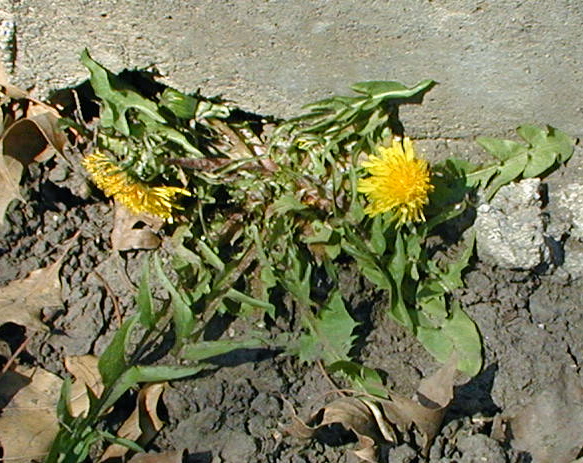
Most plants have several names--minimally an English common name and a scientific name, but possibly several common names in each of several languages. Thus, the same plant is called: dandelion (English common name), Taraxacum officinale (scientific name) dent-de-lion, (French common name), achicoria silvestre (Spanish common name) and maskros (Swedish common name). Of course it also has a Dutch, Flemish, German, Italian--you get the picture--
common name as well. In addition, many languages have more than one common name for dandelions, plant books in English might mention blowball, cankerwort, wild endive and piss-i-beds, in Spanish amargon, diente de leon, and taraxacon. I’d say all of those are the plant’s real name: if, when you use a name, the person to whom you are speaking recognizes it, then that’s the whole point.
Rules for writing common names: modern English doesn’t capitalize common names of plants (or animals, tho bird specialists sometimes do capitalize bird common names). The plant common name has to conform to the rules of English, however, so if there’s a proper noun in the common name, it must be capitalized.
Subscribe to:
Posts (Atom)