Amazing, peculiar flowers
The passionflowers, also called passion vines and passion fruit, genus Passiflora (passionflower family, Passifloraceae) include about 625 species, all but a couple dozen native to the Americas.
Sunday, November 24, 2019
Sunday, November 17, 2019
Reading Chinese Medicine Ingredients
The ingredients of Traditional Chinese Medicine (TCM) can be puzzling, but there is a system to it. This post is about interpreting Chinese medicinal ingredients.
Sunday, November 10, 2019
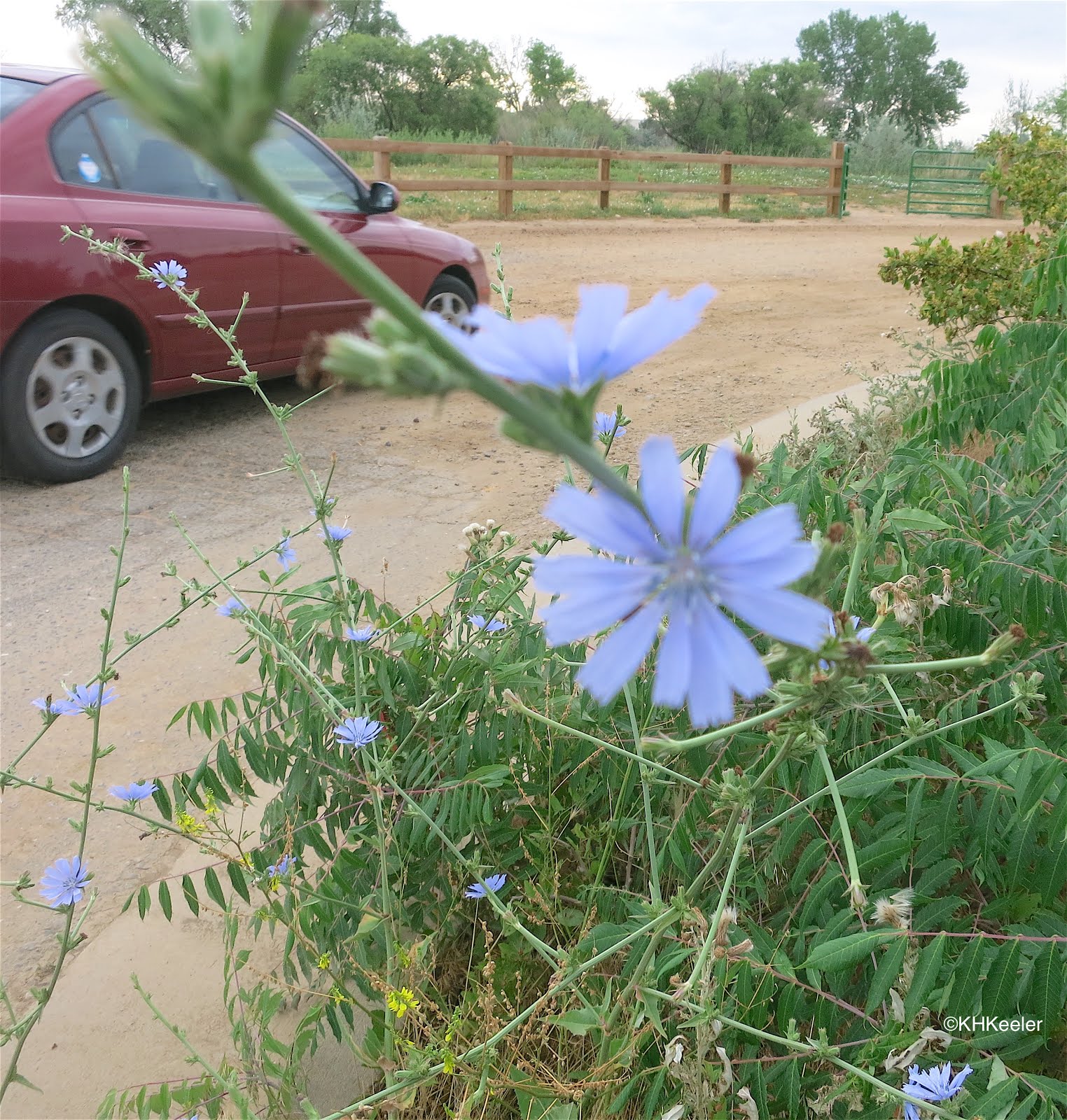
Plant Story--Chicory, Roadside Blue
You see chicory on the roadside during the morning commute, a splash of bright blue. Coming home, you don't notice it. When you think about it, the blue flowers aren't generally out in the fields either.
Sunday, November 3, 2019
Plant Common Names--Rules and Customs
![]() |
| tomato, Solanum lycopersicum |
![]() |
| apple tree, Malus domestica |
Sunday, October 27, 2019
Visting Michigan--Late Summer Splendor
There are lots of places to see in Michigan. I attended the University of Michigan and over the years visited many parts of the state. I had the opportunity to return this fall. The trees were tall and green, the forest dotted with meadows and ponds.
Here is a look at central Michigan habitats, roughly the area near Grand Rapids.
Sunday, October 20, 2019
Plant Story--Day Flower, Commelina
![]() |
| dayflower, Commelina |
Sunday, October 13, 2019
Plant Story--Fragrant Oregano, Origanum vulgare
When I was a beginning gardener, decades ago, I tried to grow all the spices of my kitchen shelf: sage, rosemary, thyme, oregano and so on. I have had oregano in my gardens ever since.
Common oregano, also called Greek oregano, pot marjoram, and wild marjoram, is Origanum vulgare in the mint family, Lamiaceae (also called Labiatae). Origanum is the Greek name for the plant, although you can read the more romantic explanation that it is a combination of óros and gános meaning "mountain splendor" or "mountain joy," perhaps both are true. The species epithet, vulgare, means "common." Oregano in native to southern Europe where it has a number of close relatives, such as sweet marjoram (Origanum majorana).
Subscribe to:
Posts (Atom)