Sunday, May 15, 2016
Visiting Northern Colorado--Horsetooth Mountain Park in Sunshine
Five days later (see last week's blog) I revisited Horsetooth Waterfall Trail, this time on a sunny morning after three days of warm weather.
Flowers that close in cold weather were open!
Sunday, May 8, 2016
Visiting Northern Colorado--Horsetooth Mountain Park in Spring Snow
![]() |
| Horsetooth Mountain Park trail, in falling snow |
When I got there it was snowing. Lightly, mixed with sleet, but persistently.
One of the things I learned as a prairie ecologist: "do it now, the weather later may be worse."
Hiking out in the sleet/snow was cool but not unpleasant and I knew the weather forecast was for snow for the next three days. Out I went!
Sunday, May 1, 2016
Visiting Australia—Glorious Kakadu National Park
Being in the Southern Hemisphere, the northern end of Australia is the warmest. In the lands east of Darwin on the northern coast, there is monsoon forest. A distinctly Australian tropical forest, very dry part of the year, alternating with periods so wet the low spots all become lakes and the roads disappear.
Kakadu National Park preserves a big part of that region for
visitors to marvel at. It is the world's second largest national park and a World Heritage site (for both culture and nature), protecting a complex and diverse place.
Sunday, April 24, 2016
Plant Story--Flowering Shrub of Spring, Amelanchier, Serviceberry, Saskatoon
A shimmer of white in my front yard: the serviceberry is flowering!
You might call it shadbush like my parents did, or saskatoon, as they do in Canada, or juneberry--the name you might see in the supermarket--or more regionally shadblow, sarvis or sarvisberry, sugarplum, wild-plum or chuckley pear.
All of these are names for native Amelanchier species, mainly A. alnifolia, though there are approximately 10 species native to North America (link: USDA plants)
You might call it shadbush like my parents did, or saskatoon, as they do in Canada, or juneberry--the name you might see in the supermarket--or more regionally shadblow, sarvis or sarvisberry, sugarplum, wild-plum or chuckley pear.
All of these are names for native Amelanchier species, mainly A. alnifolia, though there are approximately 10 species native to North America (link: USDA plants)
Monday, April 18, 2016
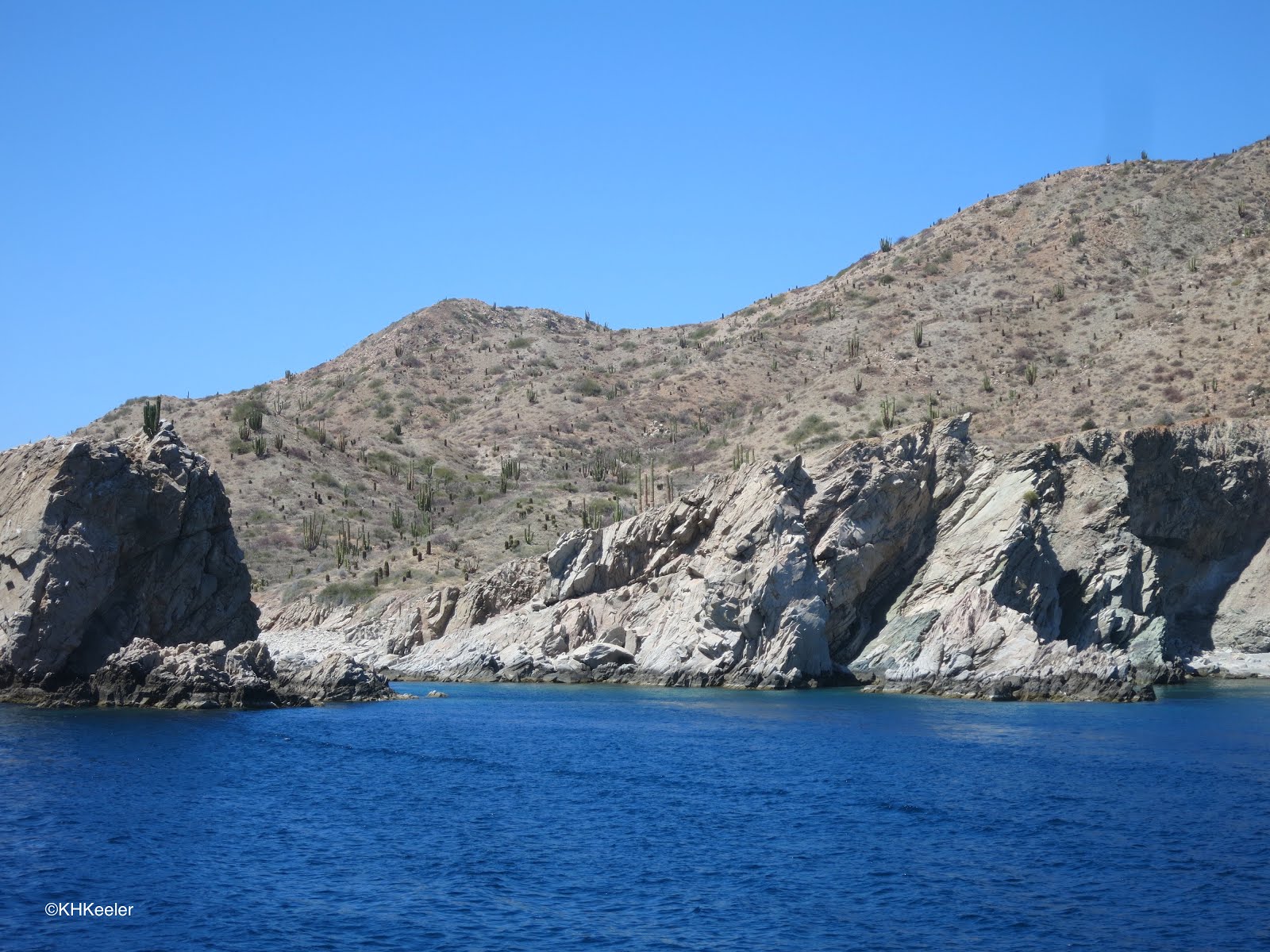
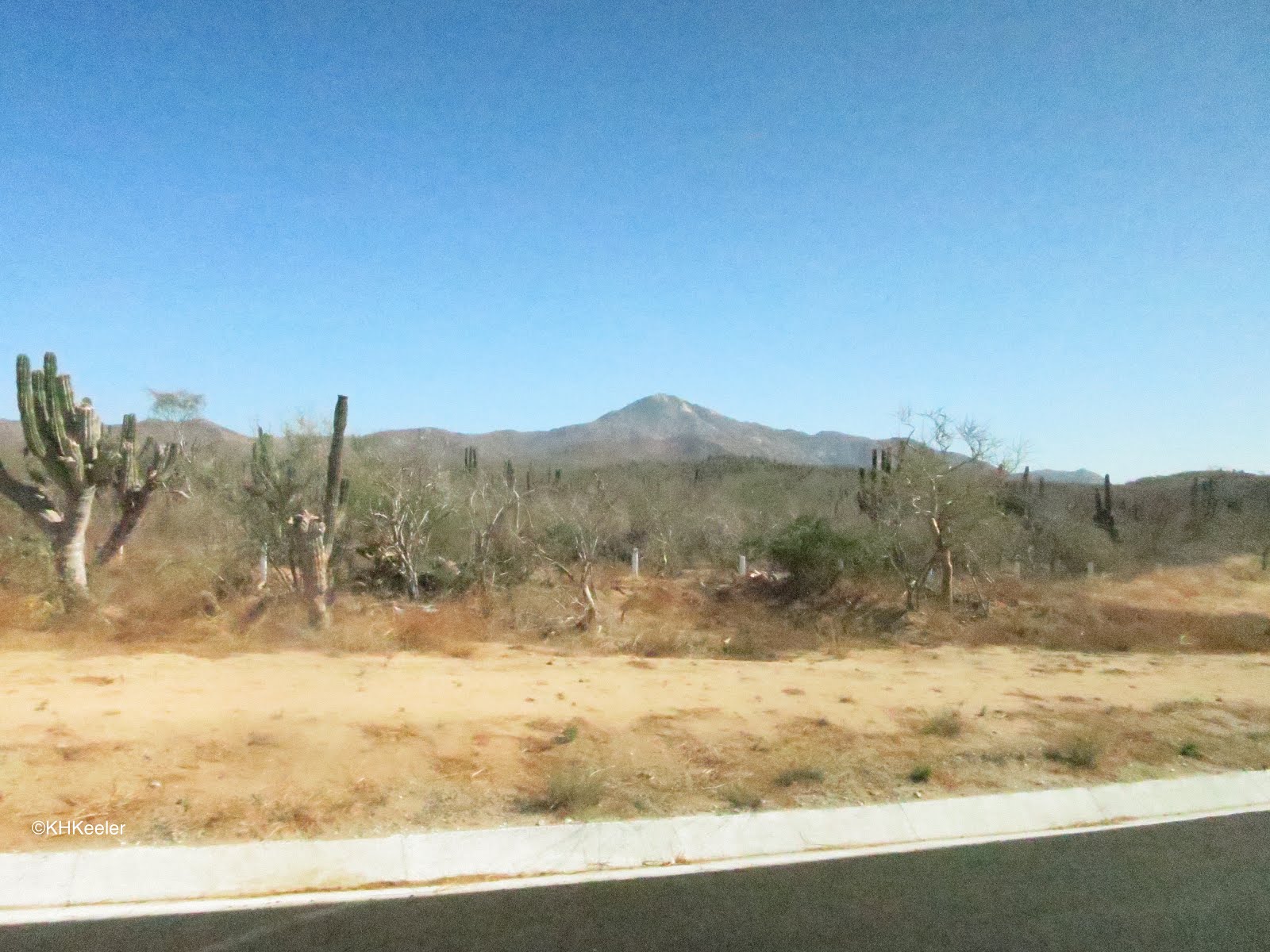
Visiting Baja California—Amazing Plants
![]() |
| island: Gulf of California |
From the moment I stepped out of the airport at San José del Cabo at the tip of the Baja California peninsula, the landscape was exotic:
The peninsula has a variety of climates, dry to extremely dry, hot to warm, some areas receiving summer rain, some with winter rain, all depending on exactly where you are. I saw only a sampling of it.
If you’ve been to the desert around Phoenix, Arizona, you’ve seen something like it. Deserts in this part of North America are very old. Baja California is in the core of this zone, with the most extreme, oldest desert and consequently with some of the strangest plants.
Sunday, April 10, 2016
Visiting Portland--Japanese Garden
![]() |
| a red camellia |
Sunday, April 3, 2016
Plant Story--Everybody Loves Narcissus and Daffodils
Daffodils!
The English called them daffodowndillies 400 years ago. The scientific name is Narcissus. Narcissus, daffodils, jonquils and paperwhites and whatever other names you know, they are all closely related.
They have been cultivated for hundreds of years, leading to diverse varieties and color forms now found all over the world.
Did you know they are poisonous?
The English called them daffodowndillies 400 years ago. The scientific name is Narcissus. Narcissus, daffodils, jonquils and paperwhites and whatever other names you know, they are all closely related.
They have been cultivated for hundreds of years, leading to diverse varieties and color forms now found all over the world.
Did you know they are poisonous?
Subscribe to:
Posts (Atom)